All Stories

Sustainability & Higher Education: A New Ranking Standard?

As the world faces increasing environmental and social challenges, sustainability has become a core priority for governments, industries, and institutions alike. Universities play a crucial role in driving sustainability through research, campus initiatives, and educational programs that equip students with the skills and mindset necessary to address global issues.
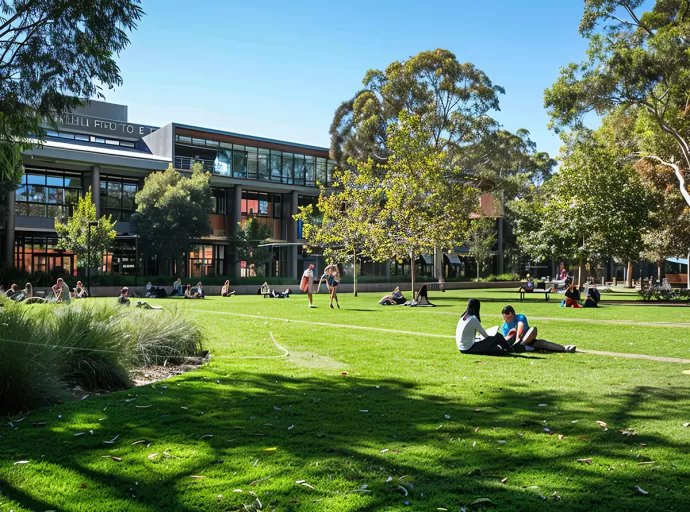

A sustainable university campus featuring green buildings, solar panels, and eco-friendly landscapes, promoting environmental responsibility in higher education.

Regional vs. Global Rankings: Are Localized Systems More Effective?

University rankings play a crucial role in shaping higher education policies, influencing student choices, and guiding institutional strategies. However, as global rankings dominate the conversation, many question whether regional ranking systems offer a more accurate representation of university performance within specific contexts. While global rankings provide a broad comparison, regional rankings consider local priorities, educational policies, and economic conditions, offering a more tailored and relevant assessment.

A conceptual representation of global and regional university rankings, showcasing the balance between worldwide recognition and localized education priorities.

AI-Powered Career Counseling: How Technology is Enhancing Student Guidance

The landscape of career counseling is undergoing a significant transformation. Traditionally, students relied on manual assessments, counselor intuition, and generalized advice to make critical decisions about their academic and professional futures. However, the rise of artificial intelligence (AI) in education is reshaping how counselors support students, offering data-driven insights, personalized career recommendations, and real-time labor market analytics.

A school counselor using an AI-powered platform to provide personalized career guidance to students.

The Evolving Role of School Counselors: From Academic Advisors to Career Strategists

School counselors have long been the backbone of student support, guiding learners through academic challenges, personal development, and college admissions. However, as the educational landscape evolves and the job market becomes more competitive, the role of school counselors is shifting. They are no longer just academic advisors—they are becoming career strategists, employability coaches, and future readiness mentors.

A school counselor guiding students through career assessments and university options using AI-powered tools.

Choosing the Right Study Destination: Factors Influencing International Student Decisions

For students looking to study abroad, choosing the right study destination is one of the most critical decisions they will make. Beyond just selecting a university, international students must consider factors such as academic reputation, cost of living, visa policies, career opportunities, and cultural experience. With education becoming increasingly globalized, students have more options than ever, but also more factors to evaluate.

A group of international students reviewing university options and study destinations on a digital platform.

The Future of Global Student Mobility: Trends and Challenges in International Education

The landscape of global student mobility is evolving rapidly. Over the past few years, changes in immigration policies, technological advancements, economic shifts, and global crises have reshaped how students pursue international education. While traditional study-abroad programs remain popular, new forms of mobility—including virtual exchanges, hybrid learning models, and cross-border institutional partnerships—are redefining international education.

A diverse group of international students on a university campus, symbolizing global student mobility and cross-cultural learning.

Bridging the Skills Gap: How Universities & Employers Must Collaborate

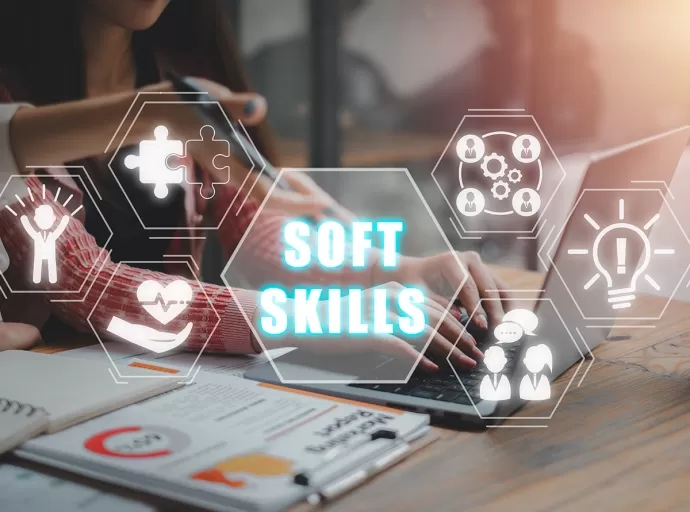
The job market is evolving at an unprecedented pace, creating a significant gap between the skills graduates possess and the skills employers demand. This skills gap is a growing concern for both universities and industries, as it directly impacts employability, workforce productivity, and economic growth. To address this issue, collaboration between universities and employers is essential. This article explores the causes of the skills gap, its impact, and how academic institutions and businesses can work together to bridge this divide.

Bridging the Skills Gap – University-Employer Collaboration for Workforce Readiness

UNIRANKS NEWS