
Study in India : Best Universities, Admission & Study Costs
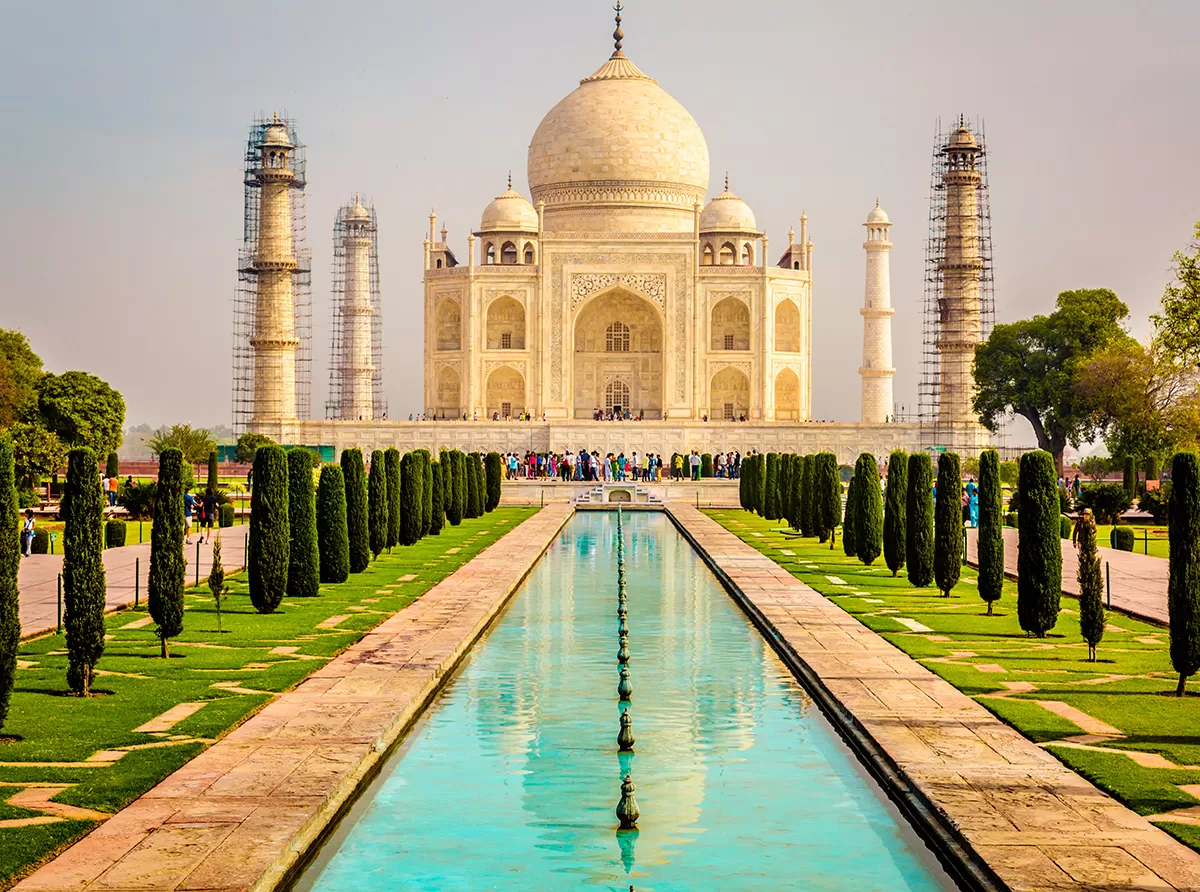
Embark on an Exquisite Educational Adventure: Study in India
Welcome, aspiring students, to a land brimming with vibrant colors, rich traditions, and endless opportunities for academic growth. If you're seeking an extraordinary destination to pursue your higher education, look no further than India! In this captivating country, the phrase "Study in India" unlocks a treasure trove of experiences that will leave you enlightened, inspired, and undoubtedly entertained.
India, a cultural kaleidoscope, offers an enchanting tapestry where ancient wisdom and modern advancements harmoniously coexist. Immerse yourself in a diverse mosaic of languages, cuisines, festivals, and art forms that will captivate your senses and broaden your horizons. From bustling metropolises to serene spiritual retreats, India is a haven for exploration, discovery, and personal growth.
But what sets India apart as an exceptional choice for thousands of students worldwide? Besides its unparalleled cultural richness, India boasts a formidable higher education system renowned for its academic excellence. With esteemed universities and institutes fostering innovation and research across various fields, students have the privilege of learning from distinguished professors and engaging with a diverse community of fellow learners.
Studying in India is not just an academic endeavor; it's an adventure that beckons you to expand your worldview, cultivate lifelong friendships, and create memories that will last a lifetime. So, embark on this exquisite educational journey, and let India weave its spellbinding magic on your quest for knowledge and personal growth.
Stay tuned as we delve deeper into the remarkable attractions for students, the cultural tapestry that defines India, and the plethora of reasons why studying in this remarkable country is a decision you won't regret. Get ready to explore the land of wonder, diversity, and boundless opportunities!
Table of Content
- India Study Abroad Insights : Tuition, Universities & Scholarships
- Why Study in India?
- Student Life in India
- The Benefits of Studying in India
- Top Universities in India
- Study Options
- Admission Requirements
- The Cost of Studying in India
- Scholarships to Study in India
- University Intakes in India
- Best courses to study in India
- Exam to study in India
- Student Visa Requirements in India
- Application Process in India
- Conclusion
India Study Abroad Insights : Tuition, Universities & Scholarships

Jan & Sep

5822 Universities

71 UR TOP

€2,000-€10,000

49,348

€500–€1,000 per month
Why Study in India?
Why Study in India? Unveiling a World of Opportunities
Quality Education: A Springboard to Success
A Haven for Intellectual Growth: The Study Environment
Global Recognition: An International Edge
Endless Choices: A Myriad of Universities and Programs
Summing it up: Why Study in India
- India offers a quality education system that prepares students for a competitive global landscape.
- The study environment in India fosters intellectual growth, creativity, and cultural exchange.
- Indian degrees hold international recognition and are highly valued by employers worldwide.
- Students have access to a wide range of universities and programs to suit their interests and career goals.
- Studying in India opens doors to a world of opportunities and personal growth.
Conclusion: Why study in India? It's the convergence of academic excellence, a nurturing study environment, global recognition, and a plethora of universities and programs that make India an irresistible choice. Prepare to embark on an educational journey that will not only enrich your mind but also shape your character and broaden your horizons. Let India be your gateway to a future filled with success and endless possibilities.
Student Life in India
Unraveling the Charms of Student Life in India: A Journey Like No Other
Life in General: A Kaleidoscope of Colors and Contrasts
Culture and People: A Tapestry of Tradition and Hospitality
Student Life: A Fusion of Learning and Adventure
Exciting Activities for Students
- Explore the vibrant attractions and notable places in India, from bustling markets to ancient temples.
- Experience the diverse cultural tapestry and the warm hospitality of the Indian people.
- Student life in India is a fusion of learning, personal growth, and thrilling adventures.
- Inside the university, engage with a dynamic community, faculty, and a wide range of extracurricular activities.
- Exciting activities for students in India include attending cultural festivals, exploring historical sites, and indulging in local cuisine.
Conclusion: Student life in India is an immersive journey filled with boundless opportunities for academic growth, cultural exploration, and personal development. Embrace the vibrant tapestry of this enchanting country, connect with its people, and create memories that will last a lifetime. Get ready to embark on a transformative adventure where education becomes intertwined with unforgettable experiences. Student life in India is a chapter waiting to be written—one that will shape you into a well-rounded global citizen ready to conquer the world.
The Benefits of Studying in India
Unlocking Limitless Potential: The Benefits of Studying in India
Quality Education: A Launchpad for Success
Career Advancement: Thriving in Growing Industries
Flexibility: Balancing Work and Study
Global Recognition: A Passport to Success
Benefits of Studying in India
- Access to high-quality education and esteemed institutions.
- Abundant internship and career opportunities in growing industries.
- Flexibility to work part-time during studies for financial independence.
- Indian university certificates hold global recognition, enhancing employability.
- Exposure to a diverse culture, fostering adaptability and intercultural skills.
- Lower tuition fees and cost of living compared to many other countries.
- Immersion in a vibrant and rich cultural heritage.
- Networking opportunities with a diverse and talented student community.
- Chance to explore breathtaking landscapes and historical sites during breaks.
- A transformative experience that shapes personal and professional growth.
Conclusion: Studying in India offers an abundance of short-term and long-term benefits. From a world-class education and thriving career opportunities to the flexibility of working during your studies, India provides a fertile ground for personal and professional growth. Embrace the cultural richness, seize the internships, and embark on a journey that will shape your future. Studying in India is an investment in yourself, unlocking limitless potential and opening doors to a successful and fulfilling life.
Top Universities in India
Unveiling Excellence: Top Universities in India for International Students
When it comes to pursuing higher education in India, the nation's top universities stand tall on the global stage. Renowned for their academic rigor, cutting-edge research, and a vibrant learning environment, these institutions have secured their positions among the elite in UNIRANKS. As an international student, choosing to study at one of India's top universities opens doors to a world-class education and a transformative experience. So, let's dive into the prestigious realm of higher education and unveil the top universities in India that have earned global recognition.
TOP Ranked Universities in India – UNIRANKS Official List
Summing it up: Top Universities in India by UNIRANKS
India's universities, as per UNIRANKS, have carved a niche for themselves among the world's leading institutions. With a strong emphasis on academic excellence, research, and innovation, these universities offer a conducive environment for students to explore their potential and thrive. From prestigious engineering and management institutions to renowned research universities, India's higher education landscape caters to a diverse range of disciplines and interests.
Embarking on a journey at one of these top universities in India grants international students access to world-class faculty, state-of-the-art facilities, and a vibrant student community. Immerse yourself in a rich cultural tapestry, forge lifelong connections, and seize opportunities to engage in cutting-edge research and industry collaborations. Studying at a top university in India not only equips you with the knowledge and skills to excel in your chosen field but also provides a transformative experience that prepares you for a global future.
In conclusion, the top universities in India shine as beacons of excellence in the realm of higher education. With their impressive rankings in UNIRANKS and their commitment to fostering intellectual growth, these institutions provide international students with an exceptional platform to pursue their academic aspirations and shape their futures. So, set your sights on these esteemed universities and embark on an educational journey that will leave an indelible mark on your life.
Study Options
Exploring Horizons: Higher Education Study Options in India
Higher Education Study Options in India
- Degree Options and Duration:
-
- Bachelor's Degree: Typically spans 3 to 4 years, depending on the field of study.
- Master's Degree: Generally ranges from 1 to 2 years, providing specialized knowledge and expertise.
- Ph.D. Programs: Offered in various disciplines, these programs usually take 3 to 5 years to complete.
- Study Modes:
-
- Full-time: Ideal for students seeking immersive learning experiences on campus.
- Distance Learning: Provides flexibility for those who prefer to study remotely at their own pace.
- Part-time: Allows students to balance their studies with work or other commitments.
- Widely Recognized Qualifications:
-
- Qualifications obtained from Indian universities are widely recognized and respected worldwide. India's higher education system has produced exceptional professionals who have made significant contributions in various fields globally. The qualifications gained in India not only equip you with in-depth knowledge but also demonstrate your ability to thrive in a diverse and competitive academic environment.
Embarking on a higher education journey in India means immersing yourself in a culturally rich and intellectually stimulating environment. With a wide range of study options, you can pursue your passion and acquire the necessary skills to excel in your chosen field. Whether you aspire to become a doctor, engineer, economist, artist, or business leader, India offers a comprehensive selection of programs and degrees that cater to your ambitions.
So, embrace the opportunity to expand your horizons and explore the vibrant higher education study options in India. With renowned institutions, expert faculty, and a commitment to academic excellence, India is a destination where your educational dreams can become a reality. Choose your path, unlock your potential, and set yourself on a remarkable journey of growth and success.
Admission Requirements
Unlocking the Gateway: Admission Requirements in India for International Students
How Difficult or Easy Are the Requirements for International Students?
The admission requirements for international students in India vary depending on the university and program of study. While the process may seem daunting, it is essential to remember that with proper guidance and preparation, meeting these requirements becomes an achievable feat. It is important to research and understand the specific requirements of each university and program to ensure a smooth application process.
Are Some Countries Easier than Others?
While it is not a matter of countries being inherently easier or harder, the admission requirements for international students may vary based on the bilateral agreements between India and certain countries. These agreements can simplify the admission process and provide certain exemptions or relaxations for students from specific nations. However, it is crucial to note that international students from any country can pursue higher education in India by meeting the prescribed admission criteria.
Admission Requirements in India for International Students (Generalized)
- Academic Qualifications: High school diploma or equivalent, and transcripts.
- Entrance Examinations: Some programs may require students to take entrance exams like the Joint Entrance Examination (JEE), Common Admission Test (CAT), or Graduate Aptitude Test in Engineering (GATE).
- English Language Proficiency: Proof of English language proficiency through standardized tests like TOEFL or IELTS.
- Application Form: Completion of the university's application form, including personal information and educational background.
- Statement of Purpose: A written essay outlining your goals, motivations, and reasons for choosing the specific program and university.
- Letters of Recommendation: Typically, two to three letters of recommendation from teachers, professors, or professionals who can attest to your academic capabilities and character.
- Financial Documentation: Proof of financial capability to cover tuition fees, living expenses, and other related costs.
- Passport and Visa: Valid passport and appropriate student visa to study in India.
Note: The specific requirements may vary for different majors and universities. It is important to refer to the university's official website or contact the admissions office for detailed and up-to-date information.
In conclusion, the admission requirements in India for international students may present initial challenges, but with proper preparation and guidance, they can be met successfully. Remember to stay organized, start the application process well in advance, and seek assistance from academic advisors or educational consultants, if needed. India welcomes students from around the world with open arms, offering a diverse and enriching educational experience. So, gear up to unlock the gateway to your academic dreams and embark on a remarkable journey of learning and growth.
The Cost of Studying in India
Unveiling the Price Tag: The Cost of Studying in India for International Students: $500 to $1,000 Monthly
Estimated Cost of Living in India
Education Fees and Additional Expenses
Comparing Costs: India vs. Nearby Countries and Globally
Hidden Fees and Expenses
Main Expenses to Consider
- Tuition Fees: Varies based on the university, program, and level of study.
- Accommodation: Rent for on-campus or off-campus housing options.
- Food and Groceries: Monthly expenses for meals and grocery shopping.
- Transportation: Cost of local transportation, such as public buses or metro passes.
- Personal Expenses: Leisure activities, entertainment, and personal care products.
- Health Insurance: Coverage for medical emergencies and healthcare needs.
- Visa-related Expenses: Visa application fees and potential renewal costs.
By planning and managing your finances wisely, studying in India can be an affordable and enriching experience. Embrace the unique cultural offerings, explore the country's rich heritage, and make memories that will last a lifetime, all while pursuing your academic goals.
In conclusion, the cost of studying in India for international students offers an attractive balance of affordability and quality education. With careful budgeting and smart financial planning, you can make the most of your student experience without breaking the bank. So, get ready to embark on a remarkable educational journey in India, where you can learn, grow, and thrive without compromising your financial well-being.
Scholarships to Study in India
Unlocking Opportunities: Scholarships to Study in India for International Students
What are Scholarships and How to Successfully Gain Them?
Scholarships for International Students
Advice for Scholarship Seekers
- Start Early: Begin researching scholarships well in advance to ensure you have ample time to gather the necessary documents and complete the application process.
- Focus on Eligibility: Pay close attention to the eligibility criteria of each scholarship and ensure that you meet the requirements before applying.
- Tailor Your Application: Customize your scholarship applications to showcase your achievements, aspirations, and how the scholarship will contribute to your academic and personal growth.
- Seek Guidance: Reach out to educational consultants, mentors, or scholarship advisors who can provide valuable insights and support throughout the application process.
- Be Persistent: Don't be disheartened by rejections. Keep exploring different scholarship opportunities and persevere in your pursuit of financial aid.
Types of Scholarships
- Government Scholarships: Offered by the Indian government to international students based on bilateral agreements, academic performance, or cultural exchange programs.
- Institutional Scholarships: Provided by universities and colleges in India to attract talented international students and promote diversity.
- Private Scholarships: Offered by foundations, organizations, or corporations with a focus on specific fields of study, merit-based achievements, or community contributions.
Popular Scholarship Programs in India
- ICCR Scholarship: Indian Council for Cultural Relations offers scholarships to international students pursuing undergraduate, postgraduate, and doctoral programs.
- MHRD Scholarships: Ministry of Human Resource Development provides scholarships to international students under various schemes, including the Commonwealth Scholarship and the General Scholarship Scheme.
- Dr. Abdul Kalam Scholarship: Named after the former President of India, this scholarship supports international students pursuing engineering and science-related programs.
- Rotary Foundation Ambassadorial Scholarships: Rotary International offers scholarships for international students studying in India, emphasizing cultural understanding and peace-building initiatives.
By harnessing the power of scholarships, you can unlock opportunities to pursue higher education in India without the burden of excessive financial strain. Remember to explore the available scholarships, tailor your applications, and seek guidance along the way. With dedication, perseverance, and a sprinkle of humor, you can secure the financial support you need to embark on an enriching educational journey in the vibrant land of India.
University Intakes in India
Seize the Opportunity: University Intakes in India
University Intakes in India
- Fall Intake: The primary intake in Indian universities, with most programs starting in July or August. The application deadlines for the fall intake typically range from January to May, depending on the university and program.
- Spring Intake: Some universities in India offer a spring intake for select programs. The spring intake usually starts in January or February, and the application deadlines fall between September and November of the preceding year.
- Rolling Intakes: Certain universities and programs have rolling intakes, which means they accept applications throughout the year. These intakes provide flexibility for students to apply at their convenience, subject to availability.
- Summer Intake: A few specialized programs and universities may offer a summer intake, typically starting in April or May. The application deadlines for the summer intake vary, and it's advisable to check with the respective universities for specific dates.
- Winter Intake: Although less common, a small number of universities have a winter intake, usually commencing in November or December. The application deadlines for the winter intake may range from July to September.
By staying aware of these intakes and their corresponding deadlines, you can plan your application process effectively, ensuring a smooth transition into your desired program in an Indian university. Remember to check the specific deadlines and requirements of each university you're interested in, as they may vary slightly.
So, mark your calendars and seize the opportunity by submitting your applications on time. Your academic journey in India awaits!
With a sprinkle of humor and a touch of excitement, you're now equipped with the knowledge of university intakes in India. Get ready to embrace the vibrant culture, immerse yourself in top-quality education, and embark on a transformative educational adventure in the land of diversity and academic excellence. Don't miss your chance to make a splash in the world of Indian higher education!
Best courses to study in India
Unleash Your Potential: Best Courses to Study in India
Best Courses to Study in India
- Computer Science and Engineering
- Data Science and Analytics
- Business Administration and Management
- Medicine and Healthcare
- Artificial Intelligence and Machine Learning
- Design and Visual Arts
- Finance and Accounting
- Hospitality and Tourism Management
- Environmental Science and Sustainability
- Media and Communication Studies
These courses encompass a diverse array of fields, providing students with opportunities to specialize in their areas of interest and pursue rewarding careers. Whether you're fascinated by cutting-edge technology, envision yourself as a future business leader, or aspire to make a difference in the healthcare industry, India offers top-notch education in these and many more disciplines.
While this list showcases some of the best courses in India, it's important to remember that the choice, of course, should align with your passions, career goals, and personal aspirations. Conduct thorough research and explore the offerings of different universities to find the perfect fit for your educational journey.
So, prepare to immerse yourself in world-class education, embrace new experiences, and unleash your potential by pursuing one of these best courses in India. The doors to an exciting future await!
Exam to study in India
Crack the Code: Prerequisite Exam to Study in India
Prerequisite Exams to Study in India
- Common Entrance Test (CET): A common exam conducted by various states and universities for admission to undergraduate and postgraduate courses.
- Joint Entrance Examination (JEE): The prestigious JEE is required for admission to engineering programs at renowned institutions such as the Indian Institutes of Technology (IITs).
- National Eligibility cum Entrance Test (NEET): Aspiring medical students must crack NEET, which is the gateway to pursuing undergraduate medical and dental courses in India.
- Graduate Aptitude Test in Engineering (GATE): For those aiming to pursue postgraduate engineering programs, GATE is the key to unlocking opportunities in esteemed institutions.
- Common Law Admission Test (CLAT): Aspiring law students must conquer CLAT to secure admission to esteemed law universities and colleges.
- National Institute of Fashion Technology Entrance Exam (NIFT Entrance Exam): Fashion enthusiasts looking to pursue a career in design must ace this entrance exam conducted by NIFT.
- National Entrance Screening Test (NEST): Students with a passion for science can showcase their knowledge and skills through NEST, which grants admission to prestigious institutions for integrated science programs.
These exams serve as gateways to your desired courses and universities in India. Each exam has its own syllabus, format, and eligibility criteria. It's crucial to thoroughly research and prepare for the specific exams relevant to your field of study.
So, sharpen your pencils, fire up your study playlist, and conquer these prerequisite exams like a true academic warrior. With dedication, preparation, and a touch of humor, you'll pave the way for a successful academic journey in the vibrant realm of Indian education.
Remember, exams may seem daunting, but they are the stepping stones to realizing your dreams. Embrace the challenge, stay motivated, and watch as your hard work pays off. India awaits your brilliance and welcomes you with open arms!
Student Visa Requirements in India
Unlock Your Academic Adventure: Student Visa Requirements in India for International Students
Visa Application Process, Cost, and Duration
The student visa application process in India is relatively straightforward but requires careful attention to detail. You'll need to submit your application online or through the nearest Indian embassy or consulate in your home country. The cost of the student visa varies depending on your nationality and the duration of your studies. Typically, the processing time can range from a few weeks to a couple of months, so it's crucial to plan accordingly and apply well in advance.Documentary Requirements
To complete your student visa application successfully, you'll need to gather the following essential documents:
- Valid passport with at least six months of validity beyond your intended stay in India.
- Letter of acceptance from a recognized educational institution in India.
- Proof of financial sufficiency to cover your tuition fees, accommodation, and living expenses.
- Academic transcripts and certificates from your previous educational institutions.
- Health and medical certificates, including a recent HIV/AIDS test report.
- Passport-sized photographs meet specific requirements.
- Visa application form and additional declarations as required.
Preparing for the Visa Interview
While not all applicants are required to attend an interview, some may be called for a visa interview as part of the application process. If an interview is scheduled, it's important to prepare yourself by familiarizing yourself with your course details, the institution you'll be attending, and the reasons why you chose to study in India. Be confident, maintain a positive attitude, and don't forget to infuse a touch of humor to make a memorable impression!
Official Government Website
Conclusion: Navigating the student visa requirements in India may seem like a complex puzzle, but with the right information and preparation, you can unlock the door to your academic dreams. Remember to approach the process with a sense of humor, stay organized, and seek assistance when needed. Soon, you'll find yourself immersed in the vibrant educational landscape of India, ready to embark on an unforgettable academic journey.
So, gear up, gather your documents, and get ready to set sail on a life-changing adventure in the incredible land of India!
Application Process in India
Unlocking Opportunities: University Application Process for Local and International Students
Application Process for Local Students
- Research and select the desired universities and courses.
- Complete the online or offline application form.
- Submit academic transcripts and certificates from previous educational institutions.
- Provide proof of identity and residency.
- Pay the application fee, if applicable.
- Await the university's response.
Application Process for International Students
- Research and choose the preferred universities and programs.
- Complete the online application form or submit the prescribed application documents.
- Submit academic transcripts, diplomas, and certificates from previous educational institutions.
- Provide proof of identity and nationality (passport).
- Pay the application fee and any additional charges, if required.
- Await the university's decision and communication regarding enrollment.
Conclusion: Whether you're a local student or an international adventurer, the university application process in India opens doors to endless opportunities. Remember to approach the process with enthusiasm, meet the specified requirements, and embrace the journey with a touch of humor. Soon enough, you'll find yourself enrolled in your dream university, ready to embark on an exciting educational adventure.
So, gear up, gather your documents, and prepare to unlock the gateway to academic excellence in India!
Conclusion
We've explored a range of essential topics to guide you through your educational pursuits in India. From understanding why studying in India offers unique advantages to delving into student life, top universities, study options, admission requirements, costs, scholarships, visa processes, and university applications, we've covered it all with a sprinkle of American English and a dash of humor.
India, with its rich cultural heritage and diverse academic landscape, presents a world of opportunities for both local and international students. The quality of education, vibrant study environments, international recognitions, and a wide variety of universities and programs make it an enticing destination.
We've discussed the benefits of studying in India, from short-term gains to long-term advantages in terms of education, career prospects, and flexibility. Additionally, we've highlighted top universities and popular courses to consider, shedding light on the prestigious institutions that shape India's academic landscape.
Understanding the admission requirements, prerequisite exams, visa processes, and financial aspects is crucial for a smooth transition into Indian universities. Whether you're a local or international student, being well-informed about the application process, required documents, and possible scholarships can help pave the way to success.
It's important to approach this journey with a sense of humor and embrace the cultural richness that India has to offer. Remember, it's not just about earning a degree but also immersing yourself in a transformative experience that will shape your future.
So, pack your bags, prepare for the exams, gather your documents, and get ready to embark on an exciting educational adventure in India. Whether you choose to study in bustling metropolises or serene campuses, India welcomes you with open arms. Let the fusion of knowledge, cultural diversity, and personal growth elevate your academic journey.
Best of luck, and may your educational endeavors in India be filled with success, laughter, and unforgettable memories!